


- WEBSITE -





Current location: Home > BLOGS > Industry Information >
Roll Forming Equipment Supplier Selection Guide: Partner Evaluation
Time:2026-08-22 04:04:19 Author:xiangyi Click:197
Roll Forming Equipment Supplier Selection Guide: Partner Evaluation
Selecting roll forming equipment suppliers represents strategic decisions that influence production capabilities, product quality, and operational costs for years. The supplier partnership extends well beyond initial purchase through ongoing support, tooling supply, and technology upgrades. Thorough supplier evaluation enables informed decisions that serve long-term business interests.
Capability Assessment Criteria
Engineering capabilities distinguish excellent equipment suppliers from simple assembly operations. Suppliers with in-house engineering teams design and develop equipment that meets specific customer requirements. Engineering expertise enables customization while maintaining reliable, proven design foundations.
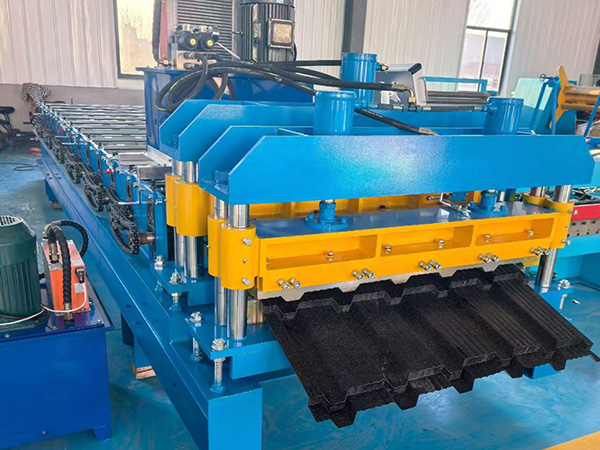
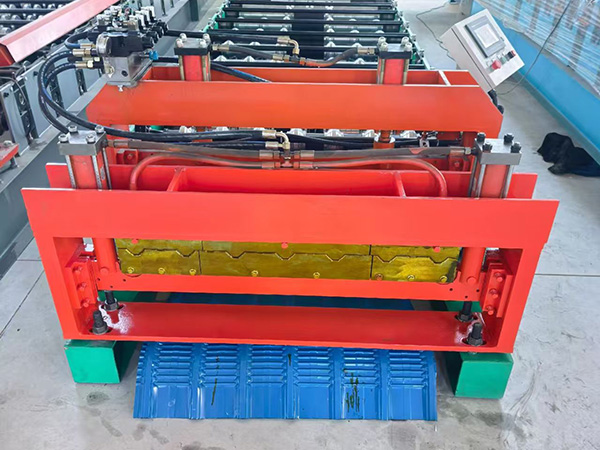
Manufacturing facilities should demonstrate appropriate capabilities for equipment production. Adequate machining capacity, assembly space, and testing facilities indicate serious equipment manufacturing operations. Factory tours provide insights impossible to obtain through documentation review alone.
Quality System Verification
Supplier Quality Indicators
Certification Status: ISO 9001 certification indicates systematic quality management addressing customer requirements. Third-party audits verify that quality systems function effectively. Certification provides baseline quality assurance while indicating organizational commitment to quality excellence.
Quality Documentation: Comprehensive documentation including inspection reports, test results, and conformance certificates accompanies equipment deliveries. Quality records demonstrate attention to detail throughout manufacturing processes.
Reference Customers: Willingness to provide reference customer contacts indicates confidence in equipment performance. Speaking directly with operating facilities reveals practical insights about equipment reliability and supplier support.
Support and Service Capabilities
Equipment performance depends significantly on supplier support throughout the equipment lifecycle. Spare parts availability ensures rapid problem resolution when components fail. Stocking common wear items prevents production losses from minor component failures.
Technical support availability influences how quickly problems get resolved when they occur. Evaluate whether suppliers offer phone support, remote diagnostics, or on-site service. Response time commitments and service area coverage affect practical support accessibility.
Financial Stability Considerations
Equipment suppliers must remain viable throughout the support lifecycle to provide promised services. Financial review indicates supplier stability and longevity. Companies with established track records and sound financial positions provide more reliable partnership prospects than newer, unproven operations.
Business longevity indicates continued market presence that ensures ongoing support availability. Suppliers serving international markets demonstrate stability through diverse customer relationships. Evaluating supplier business health protects against partnership disruptions from supplier financial difficulties.
Total Value Evaluation
Lowest purchase price rarely indicates best overall value when considering lifetime operating costs, support quality, and production implications. Evaluating suppliers on total value basis considers acquisition cost, operating efficiency, quality outcomes, and support quality.
Competitive quotation processes should balance price competition against non-price factors. Award criteria should weight quality, capability, and support factors appropriately. The optimal choice often involves moderate price increases that deliver substantial quality or support improvements.
References
Supplier Evaluation and Selection Standards
Strategic Partnership Development Guidelines
Equipment Procurement Best Practices
Supplier Quality Management Standards
Total Cost of Ownership for Capital Equipment

CONTACTS
TEL:+8615830824095
URL:www.qiluomachinery.com
ADD:Botou City, Cangzhou City, Hebei Province