


- WEBSITE -





Current location: Home > BLOGS > Industry Information >
Roll Forming Troubleshooting Guide: Common Problems and Solutions
Time:2026-08-04 09:07:05 Author:xiangyi Click:196
Roll Forming Troubleshooting Guide: Common Problems and Solutions
Every roll forming operation encounters quality problems that challenge production efficiency and product quality. Understanding root causes and appropriate corrective actions separates experienced operators from beginners. This troubleshooting guide addresses common roll forming defects, their causes, and proven solutions that experienced manufacturers employ to restore quality production.
Edge Wave and Buckling Defects
Edge wave manifests as undulating edges on formed profiles, creating an unacceptable appearance and potential assembly difficulties. This defect results from excessive compressive stresses during forming that exceed material buckling limits. Inadequate entry guides, misaligned rolls, or improper tension control typically cause edge wave problems.
Solving edge wave requires adjusting forming sequence to reduce compressive strains. Adding guide rollers closer to the forming zone reduces material free span length. Adjusting entry tension and roll alignment redistributes forming forces to eliminate localized buckling. In severe cases, adding forming stations distributes deformation more gradually.
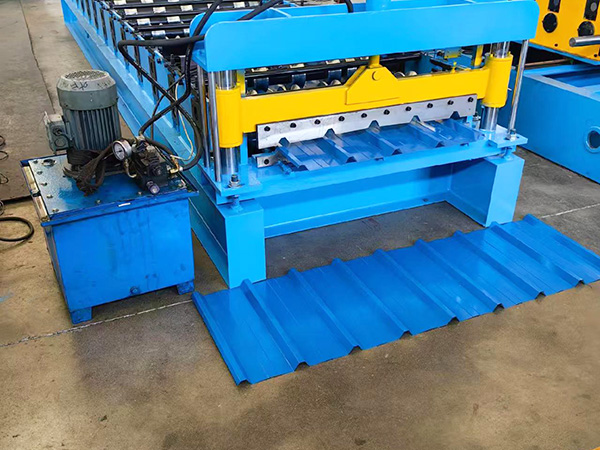
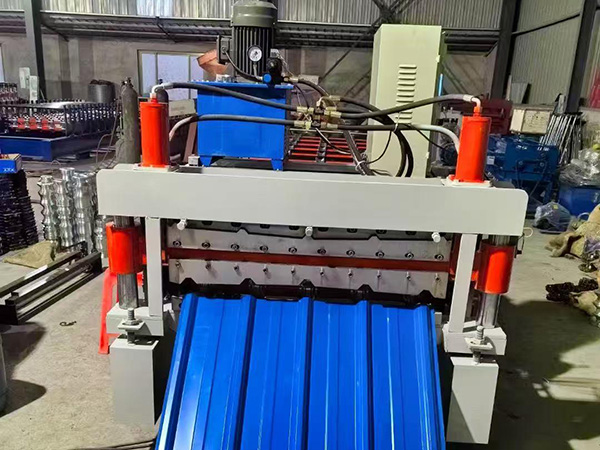
Flange Twist and Web Distortion
Angular Defects and Solutions
Flange Twist: Twisted flanges indicate unbalanced forming forces across the profile width. Check roll alignment and verify that upper and lower rolls apply symmetric forces. Worn bearings or eccentric roll positioning causes twist. Replace worn components and verify roll positioning.
Web Bow: Curved or bowed webs suggest asymmetric forming across profile width. Material properties variation across coil width may cause differential forming responses. Verify material centerline alignment with machine centerline. Check for roll wear patterns that create asymmetric forming.
Flare and Edge Lift: Flanges angling outward after exiting roll stations indicate residual stress relief as material cools. Reducing forming temperature through slower speeds or water cooling may help. Consider adjusting final forming stations to create slight inward flange angle.
Surface Defects and Marks
Roll marks transfer roll surface imperfections to formed products, creating scratches, indentations, or polishing patterns visible on product surfaces. Contamination on roll surfaces causes most marking issues. Thorough roll cleaning using appropriate solvents removes contaminants causing surface defects.
Material surface defects including scratches, pits, or contamination from coil storage may also transfer to formed products. Inspecting incoming materials identifies problems before they propagate through production. Isolating defective coil sections prevents wasted production of defective products.
Dimensional Accuracy Problems
Profiles falling outside tolerance specifications create assembly problems and customer complaints. Dimensional drift during production runs often indicates developing mechanical problems rather than operator error. Regular dimensional verification during production catches drift before excessive scrap accumulates.
Roll wear gradually changes profile geometry as forming edges round and dimensions grow. Roll inspection and timely replacement prevents dimension-related quality problems. Bearing wear allows roll position shifting that disturbs precise geometry. Including bearing inspection in preventive maintenance programs prevents dimension-related quality problems.
Material Feeding and Handling Issues
Snake-shaped material movement through roll stations indicates inconsistent feeding that creates quality problems. Entry guide adjustment ensures material tracks straight through forming stations. Checking for damaged guide surfaces and proper lubrication prevents material catching or binding.
Coil threading difficulties often indicate decoiler problems rather than roll former issues. Verifying decoiler function, tension control, and material condition resolves most feeding problems. Training operators on proper threading techniques reduces startup scrap and improves overall production efficiency.
References
Roll Forming Defect Analysis and Prevention Methods
Metal Forming Process Troubleshooting Handbook
Quality Problem Diagnosis and Resolution Procedures
Roll Tooling Maintenance and Inspection Guidelines
Manufacturing Process Optimization Techniques

CONTACTS
TEL:+8615830824095
URL:www.qiluomachinery.com
ADD:Botou City, Cangzhou City, Hebei Province