


- WEBSITE -





Current location: Home > BLOGS > Technical Documentation >
Roll Forming Machine Safety Guide: Workplace Protection Standards
Time:2026-08-01 09:05:37 Author:xiangyi Click:93
Roll Forming Machine Safety Guide: Workplace Protection Standards
Roll forming operations involve powerful machinery, moving materials, and potentially hazardous conditions that demand rigorous safety practices. Workplace accidents cause human suffering, production losses, and regulatory penalties that no manufacturing facility should accept. This safety guide establishes essential practices that protect operators and maintenance personnel while enabling efficient production operations.
Machine Guarding Requirements
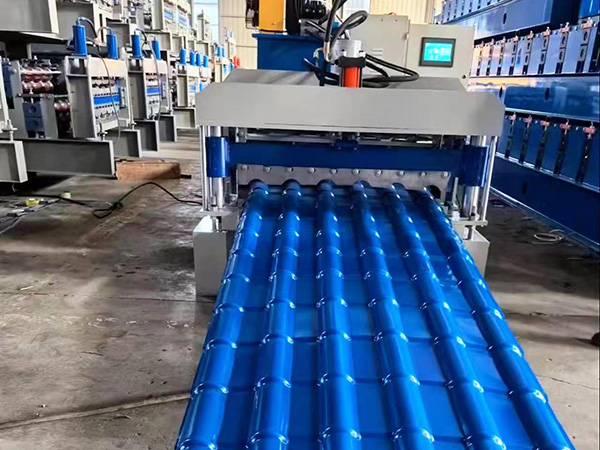
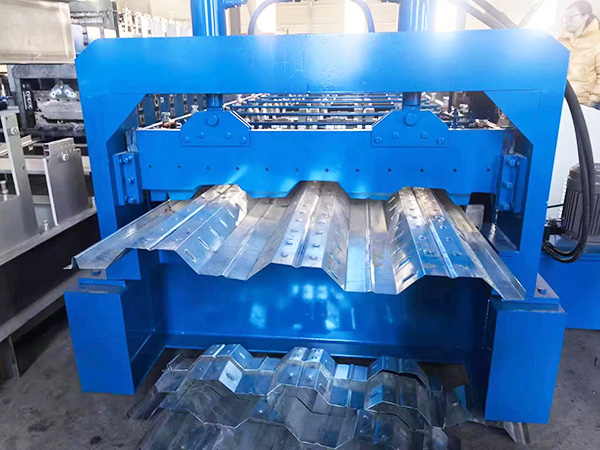
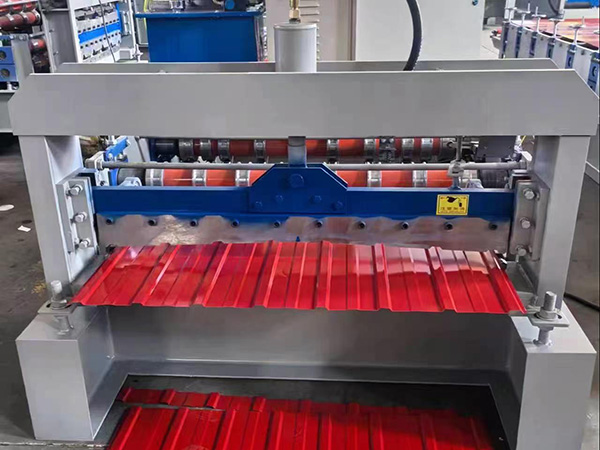
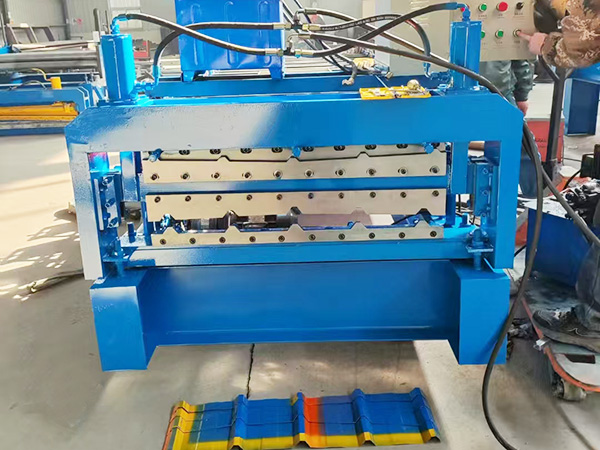
Physical barriers preventing contact with moving machinery components represent the foundation of roll forming safety. Roll stations, drive systems, and power transmission equipment require guarding that prevents operator access during production. Guards must withstand anticipated contact forces without displacement while allowing necessary visibility for monitoring operations.
Emergency stop devices positioned at operator stations enable immediate machine shutdown when hazardous conditions develop. Emergency stops must be clearly visible, easily accessible, and tested regularly to verify proper function. Pressure-sensitive safety mats and light curtains provide additional protection at material entry and exit points where guarding proves impractical.
Operational Safety Procedures
Essential Safety Practices
Lockout/Tagout: Never perform maintenance without isolating machine power sources and applying lockout devices that prevent unexpected energization. Each worker must apply their own lock with only they hold the key. Tag devices provide additional warning about work in progress.
Material Handling: Coil loading operations present crushing and pinch-point hazards requiring careful procedures. Use appropriate lifting equipment rated for coil weights. Keep hands clear of decoiler mandrels and coil contact points during positioning.
Threading Operations: Threading material through roll stations requires attention to hand placement and material tension. Maintain visual contact with roll entry points while feeding material. Use feeding aids rather than reaching into operating roll stations.
Personal Protective Equipment
Appropriate personal protective equipment supplements engineering controls and work practices. Steel-toed footwear protects feet from dropped materials and accidental impacts. Cut-resistant gloves provide hand protection during material handling while maintaining adequate dexterity for task performance.
Safety glasses or face shields protect eyes from flying debris during cutting, grinding, or material handling operations. Hearing protection may be required in high-noise environments exceeding exposure limits. Loose clothing, jewelry, and long hair must be secured to prevent entanglement with rotating machinery.
Training and Competency Requirements
Operator training ensures workers understand machine hazards and safe operating procedures. Initial training covers emergency procedures, lockout protocols, and normal operating practices. Competency verification through observation and testing confirms training effectiveness before granting machine access.
Refresher training maintains awareness and addresses procedure drift over time. Incident investigation and near-miss reporting identify training gaps requiring correction. Encouraging workers to report unsafe conditions without fear of retaliation creates safety culture that protects everyone.
Regulatory Compliance
Occupational safety regulations establish minimum standards that manufacturing facilities must meet. Compliance audits verify that safety programs address regulatory requirements. Documentation of training, inspections, and incident investigations demonstrates regulatory adherence during inspections.
Safety certification programs recognize facilities exceeding minimum regulatory requirements. ISO 45001 occupational health and safety management system certification provides framework for systematic safety improvement. Investment in safety typically returns through reduced insurance costs, improved morale, and eliminated accident-related production losses.
References
OSHA Machine Guarding Standards and Guidelines
ANSI B11 Series Machine Safety Standards
ISO 12100 Safety of Machinery General Principles
Lockout/Tagout Regulation Compliance Guidelines
Personal Protective Equipment Selection Standards

CONTACTS
TEL:+8615830824095
URL:www.qiluomachinery.com
ADD:Botou City, Cangzhou City, Hebei Province