


- WEBSITE -





Current location: Home > BLOGS > Technical Documentation >
Roll Forming Speed Optimization: Maximum Throughput Techniques
Time:2026-08-19 03:21:03 Author:xiangyi Click:91
Roll Forming Speed Optimization: Maximum Throughput Techniques
Line speed directly determines roll forming production capacity and cost competitiveness. Operating below maximum capable speed wastes potential revenue while unnecessarily consuming labor and overhead. Systematic speed optimization enables facilities to achieve their highest sustainable throughput without quality compromises. This guide presents approaches for determining and achieving optimal operating speeds.
Speed Limit Factors
Maximum sustainable speed depends on multiple interconnected factors including material characteristics, profile complexity, equipment capabilities, and quality requirements. Identifying the limiting factor enables targeted optimization rather than random adjustment attempts. Most operations find one or two primary constraints limiting their speed.
Material ductility and thickness influence how quickly material can move through forming stations without surface damage or geometric defects. Complex profiles requiring extensive deformation need slower speeds than simple profiles. Understanding these relationships guides appropriate speed selection for each product.
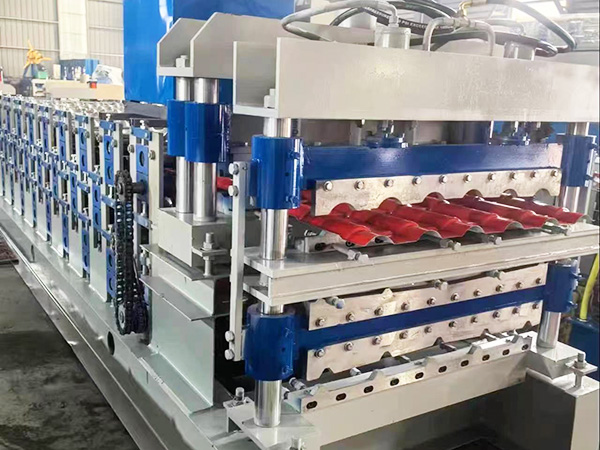
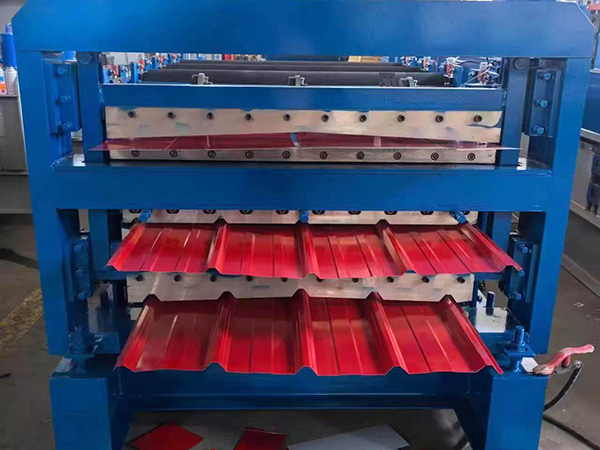
Systematic Speed Testing
Speed Optimization Process
Establish Baseline: Document current operating speed and quality results before beginning optimization. Understanding starting conditions enables measurement of improvement progress. Collect sufficient data to characterize typical production performance.
Incremental Testing: Increase speed gradually while monitoring quality outcomes. Test at each speed level long enough to identify intermittent problems that may not appear immediately. Document all observations including quality issues and operational concerns.
Identify Limiting Factor: When quality problems emerge at a particular speed, analyze the specific cause. Problems occurring at material entry suggest feeding limitations. Mid-line problems may indicate forming sequence constraints. Exit-end issues often involve cutoff synchronization.
Equipment Capability Enhancement
Speed increases may require equipment modifications that address limiting factors. Drive motor upgrades provide additional power for demanding operations. Improved lubrication systems enable faster material processing without surface damage. Guide refinements reduce material handling problems that limit speed.
Roll station rigidity affects speed capability through vibration and deflection at higher production rates. Equipment with inadequate rigidity may produce quality defects only at elevated speeds. Structural upgrades or operating speed limits address vibration-related limitations.
Material and Lubrication Optimization
Lubrication significantly influences maximum achievable speed by reducing friction and heat generation during forming. Forming lubricants must maintain film strength under high-pressure contact between rolls and material. Lubricant application methods affect coverage and consumption rates.
Material surface conditions influence forming speed capability. Clean, well-lubricated surfaces enable faster processing than contaminated or poorly coated materials. Material handling before forming impacts surface conditions and forming performance. Proper coil storage and handling preserves material quality through production.
Balanced Line Optimization
Maximum line speed cannot exceed the capability of the slowest station or process. Bottleneck analysis identifies constraints limiting overall throughput. Speed increases at non-bottleneck stations provide no system benefit and may increase wear without productivity improvement.
Balancing line speeds across stations prevents localized overwork while ensuring efficient material flow. Synchronization between forming speed and cutoff operations ensures clean cuts without material damage. Careful attention to auxiliary process timing prevents delays that cascade through the entire line.
References
Roll Forming Speed and Throughput Optimization
Metal Forming Lubrication Technology
Production Line Balancing Methods
Equipment Capability Assessment Guidelines
Manufacturing Speed Optimization Techniques

CONTACTS
TEL:+8615830824095
URL:www.qiluomachinery.com
ADD:Botou City, Cangzhou City, Hebei Province