


- WEBSITE -





Current location: Home > BLOGS > Industry Information >
Roll Forming Tooling Design Guide: Roll Engineering Fundamentals
Time:2026-08-25 04:18:39 Author:xiangyi Click:145
Roll Forming Tooling Design Guide: Roll Engineering Fundamentals
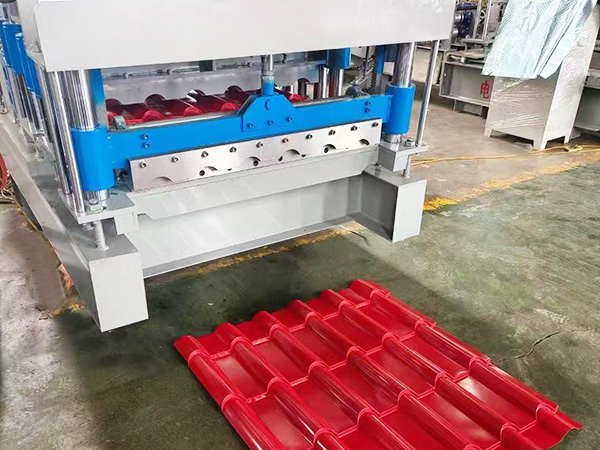
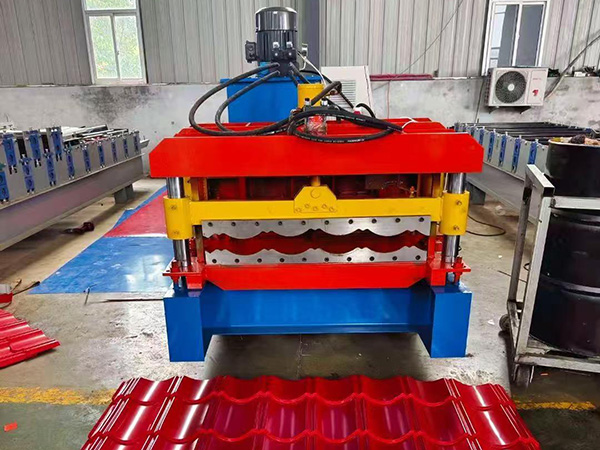
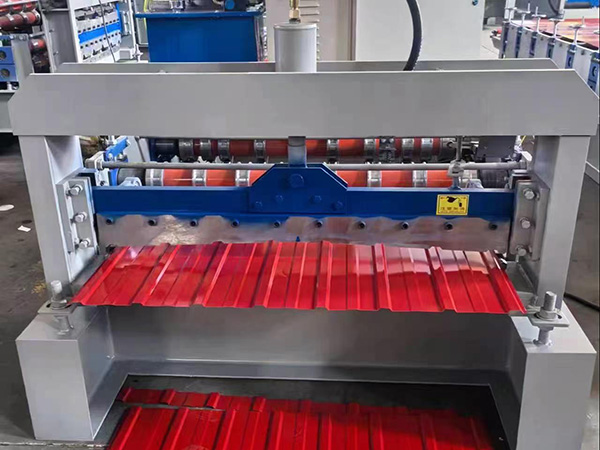
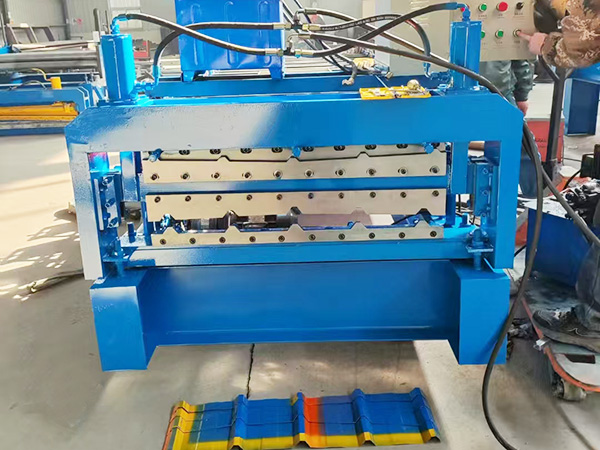
Roll tooling represents the heart of any roll forming operation, determining product quality, production efficiency, and operational costs. Professional tooling design combines engineering principles, manufacturing expertise, and practical experience to create forming solutions that perform reliably in demanding production environments. Understanding tooling design fundamentals helps manufacturers communicate effectively with tooling suppliers and make informed decisions about tooling investments.
Roll Material Selection
Roll material selection significantly influences tooling performance, service life, and product quality. Common roll materials include tool steel, carbide, and surface-treated substrates that balance cost against performance requirements. The forming application, material being processed, and production volume all factor into appropriate material selection.
Tool steel rolls offer excellent versatility and cost-effectiveness for general roll forming applications. Heat-treated to achieve appropriate hardness levels, tool steel rolls provide good wear resistance while maintaining machinability for complex profiles. Common tool steel grades include D2, A2, and H13, each offering different hardness and toughness characteristics.
Roll Geometry and Tolerances
Critical Design Parameters
Profile Accuracy: Roll forming tolerances typically range from ±0.05mm for precision applications to ±0.2mm for general construction products. Roll profile machining must achieve tolerances significantly tighter than final product tolerances to account for material springback and assembly variations.
Surface Finish: Roll surface finish directly transfers to formed products. Machined surface finishes of 0.8-1.6 micron Ra provide appropriate surfaces for most applications. Higher finish requirements may necessitate polishing or coating operations.
Bearing Seats and Shafts: Precise bearing seat dimensions ensure proper roll positioning and rotation. Bearing clearance specifications must accommodate thermal expansion while maintaining concentric rotation. Shaft straightness requirements prevent vibration and premature bearing failure.
Forming Sequence Design
The forming sequence determines how material deformation occurs across multiple roll stations. Proper sequence design minimizes springback, prevents material defects, and achieves target geometry efficiently. Complex profiles may require twelve or more forming stations, while simple profiles might use four to six stations.
Each station performs incremental deformation that accumulates into final profile geometry. Initial stations bend material away from flat, while intermediate stations develop profile shape. Final stations fine-tune dimensions and create precise flanges, holes, or other features. Too few stations cause excessive strain and surface defects, while excess stations increase cost without quality benefit.
Quick-Change Tooling Systems
Quick-change tooling systems reduce changeover time between production runs, improving overall equipment effectiveness. Cassette-style tooling packages entire roll stations into portable cassettes that slide in and out of the machine frame. Modular cartridge systems provide similar benefits with different mounting approaches.
Quick-change investments typically pay back through reduced downtime, particularly for high-mix production environments. Calculating changeover frequency and downtime costs determines whether quick-change systems justify their higher initial investment. Some manufacturers maintain complete tooling packages for each product, enabling rapid product switching.
Tooling Maintenance and Storage
Proper tooling maintenance extends service life and maintains product quality throughout roll usage. Regular inspection identifies wear patterns requiring intervention before quality problems develop. Documenting wear progression enables predictive replacement scheduling that prevents unexpected tooling failures.
Appropriate storage protects tooling between production runs. Climate-controlled storage prevents moisture condensation that promotes corrosion. Protective coatings applied after cleaning provide additional rust prevention. Organized storage systems enable efficient retrieval and inventory management for facilities running numerous product configurations.
References
ASM Handbook Volume 14B: Forming Processes
Tool Steel Selection and Application Guidelines
Roll Forming Technology and Equipment Standards
Precision Machining Tolerances and Specifications
Tooling Lifecycle Management Best Practices

CONTACTS
TEL:+8615830824095
URL:www.qiluomachinery.com
ADD:Botou City, Cangzhou City, Hebei Province