


- WEBSITE -





Current location: Home > BLOGS > Industry Information >
Cold Roll Forming vs Hot Roll Forming: Key Differences and Applications
Time:2026-07-02 09:02:21 Author:xiangyi Click:134
Cold Roll Forming vs Hot Roll Forming: Key Differences and Applications
Understanding the fundamental differences between cold roll forming and hot roll forming enables manufacturers to select appropriate processes for their specific applications. Both methods produce metal profiles from flat stock, but the temperature conditions during forming create distinct material responses and equipment requirements. This comparison examines critical factors that influence process selection for various manufacturing scenarios.
Fundamental Process Differences
Cold roll forming shapes metal at ambient temperatures, exploiting the natural ductility of steel and aluminum alloys. Material deformation occurs through mechanical working that progressively bends strip through successive roll stations. The forming process hardens material through work hardening mechanisms, increasing yield strength in finished profiles compared to original coil properties.
Hot roll forming heats material above its recrystallization temperature before passing through forming equipment. Elevated temperatures reduce required forming forces, enabling production of thicker sections and more complex geometries than cold processes permit. Material flows more readily when heated, reducing power requirements and enabling deeper formations without cracking or tearing.
Material Properties and Performance
Property Comparison Summary
Cold Formed Profiles: Higher surface quality from smooth roll surfaces; improved dimensional accuracy; work-hardened material with enhanced strength; better suited for thin materials; no scale or oxidation issues; excellent for painted or coated materials
Hot Formed Profiles: Heavier section capabilities; more complex geometry options; lower forming forces required; normalized microstructure from heat treatment; potential surface oxidation requiring cleaning; typically lower strength in finished condition
Equipment Requirements
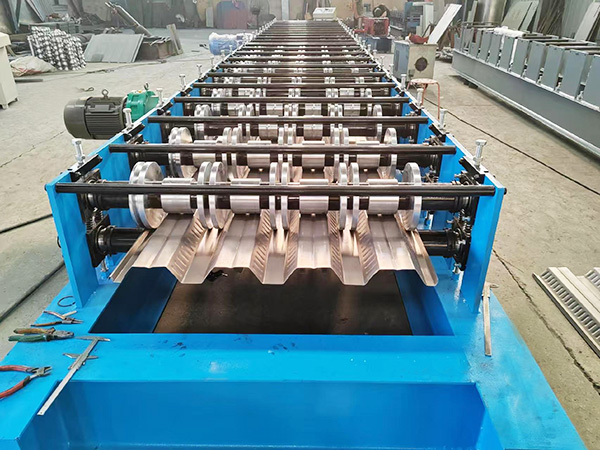
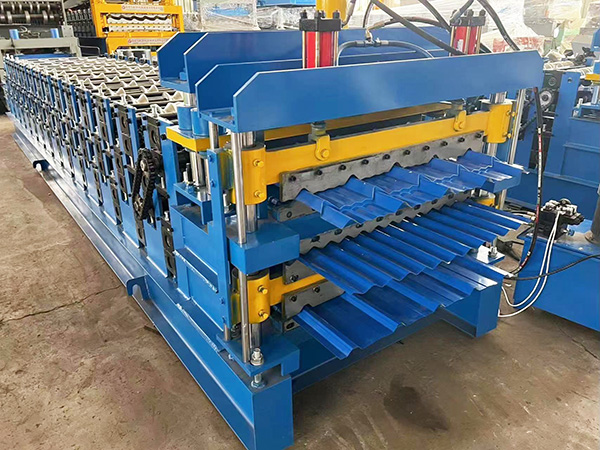
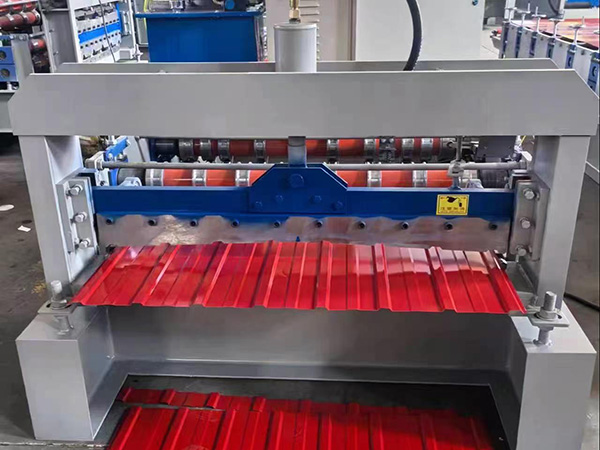
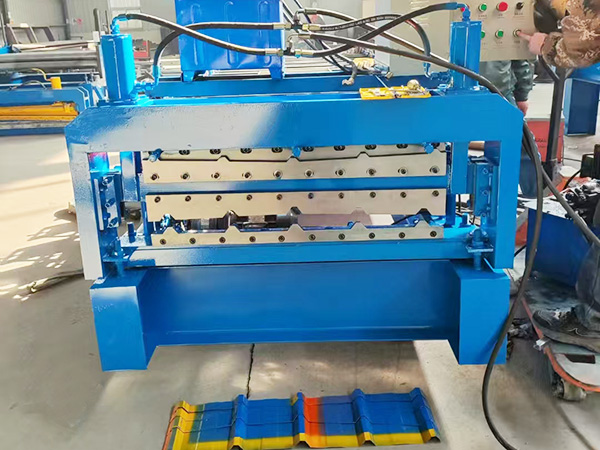
Cold roll forming equipment operates with standard mechanical components including rolls, bearings, and drive systems. Equipment construction focuses on rigidity and precision alignment to achieve accurate dimensional control. Moderate power requirements enable energy-efficient operation with standard industrial electrical supplies.
Hot roll forming requires additional equipment for heating operations including furnaces, temperature controls, and heat shielding. Roll materials must withstand elevated temperatures without softening or surface degradation. Safety considerations include thermal protection for operators and fire prevention systems. Equipment costs and operational complexity exceed cold forming requirements.
Application Suitability
Cold roll forming dominates applications requiring surface quality, dimensional precision, and thin material processing. Construction products, architectural elements, and automotive components typically favor cold formed profiles for these characteristics. The ability to use pre-painted or coated materials without damaging finishes makes cold forming essential for many building product applications.
Hot roll forming serves applications requiring heavy sections, complex geometries, or specific microstructure characteristics. Structural beams, railroad rails, and shipbuilding plates represent typical hot formed products. When finished strength requirements demand normalized microstructures, hot forming followed by controlled cooling provides appropriate material properties.
Making Process Selection Decisions
Process selection depends on balancing product requirements against equipment and operational considerations. Material thickness represents a primary discriminator, with cold forming typically limited to six millimeters or less while hot forming handles substantially thicker sections. Profile complexity also influences selection, as intricate geometries often require hot working to avoid material failure during cold deformation.
Production volume considerations favor cold forming for high-volume applications where equipment setup costs amortize across large production quantities. Hot forming setups require more extensive preparation and recovery time between production runs, making cold forming more economical for extended production campaigns. Quality requirements for surface finish and dimensional tolerance typically favor cold roll forming processes.
References
ASM Handbook Volume 14B: Metalworking Sheet Forming
Metallurgical Engineering Principles of Hot and Cold Working
Metal Forming Process Design and Selection Guidelines
Industrial Manufacturing Process Selection Standards
Materials Science and Engineering: Forming Fundamentals

CONTACTS
TEL:+8615830824095
URL:www.qiluomachinery.com
ADD:Botou City, Cangzhou City, Hebei Province