


- WEBSITE -





Current location: Home > BLOGS > Technical Documentation >
Can One Roll Forming Machine Produce Multiple Profiles?
Time:2026-09-15 03:38:22 Author:xiangyi Click:175
Can One Roll Forming Machine Produce Multiple Profiles?
Buyers with several products often ask whether a single roll forming machine can make them all. The answer is yes, in several ways, but each method has a cost in changeover time, flexibility, and price. Choosing the right approach depends on how different the profiles are and how often you switch. This article explains the options so you can match the line to your real product mix instead of guessing from a brochure.
Shared-Base Adjustable Profiles
When profiles share the same pitch and only differ in depth, a single set of rolls with adjustable side housings can form several sizes. C and Z purlins are the classic example; one line makes many web heights by moving the roll position. This is the cheapest multi-profile route because there is no tooling swap, only adjustment, and a single operator can switch sizes in minutes between orders.
Quick-Change Tooling
Methods for Different Profiles
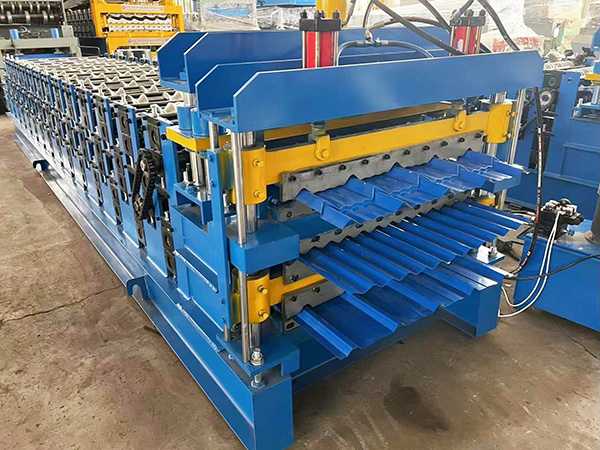
Swap the roll shafts: The whole shaft with rolls attached is lifted out and a different one drops in. Changeover takes minutes if the line is designed for it, at the cost of storing several shaft sets on racks nearby.
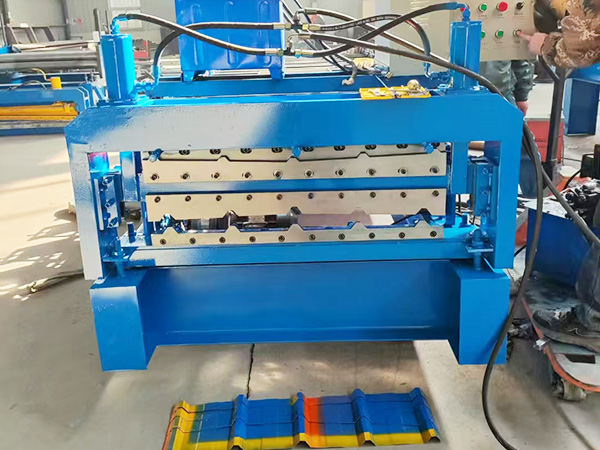
Cassette system: Entire roll stations sit in cassettes that slide in and out on rails. This is the fastest full changeover and suits shops with many unrelated profiles, though the cassettes add significant cost and floor space.
Individual roll change: Rolls are changed on the shaft. Cheapest in tooling but slowest in labor; only practical for rare changes done during planned downtime.
When One Machine Does Not Fit
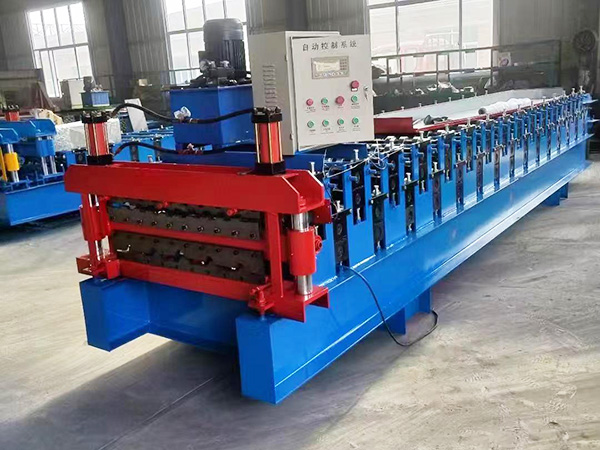
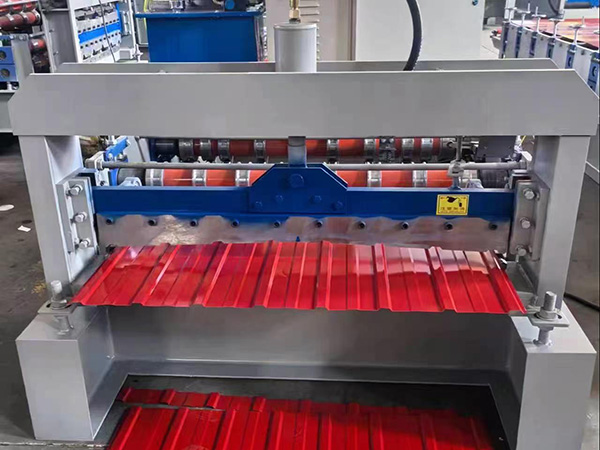
If profiles differ sharply; thin roofing panel versus thick structural purlin; one line cannot form both well. The thin product needs gentle pressure and a fine surface; the thick product needs power and rigid rolls. Forcing both onto one machine compromises both and disappoints both customers. In that case two dedicated lines, or one line plus a smaller specialist, is the honest answer.
Coating also matters. Running bare structural steel and pre-painted roofing on the same rolls transfers scale and scratches the paint. Some shops keep a dedicated clean line for color material and a separate line for bare steel, because crossing them ruins the very finish the customer paid for and triggers costly returns.
Counting the Changeover Cost
Multi-profile flexibility only pays when changeovers are frequent. If you run one profile for a week at a time, a slower swap is acceptable and the savings fund other features. If you switch several times a day, invest in cassettes or quick-change shafts; the saved labor and downtime recover the cost within the first busy season of mixed orders.
Operator Training for Changeover
Flexible hardware is only as good as the team using it. Train operators to swap tooling without damaging rolls, to re-zero the PLC recipe, and to measure the first piece against the drawing before a full run. A confident changeover in twenty minutes beats a careless one in five that produces a reel of scrap. The supplier should include this training, not assume the floor already knows.
Designing for Flexibility Up Front
Tell the manufacturer every profile you expect, even future ones, before the line is built. A line designed for changeover has the right shaft size, rail system, and PLC recipes from day one. Retrofitting flexibility later is far more expensive than building it in. A good supplier asks for this list; a weak one does not, and the gap shows up the first time you need a profile they were never told about.
So one roll forming machine can indeed produce multiple profiles, from simple depth adjustment to full cassette swaps. The right choice is the one that fits your product differences and your switch frequency; built in at order time, supported by a supplier who understands both the rolls and your business so the line grows with you.
Summary of the Trade-off
In the end the choice is between simplicity and flexibility. A dedicated line is cheaper, faster, and easier to run; a flexible line costs more but absorbs a changing order book without new machines. Most shops start dedicated and add flexibility only when the product mix proves it pays. Knowing which stage you are in helps you buy the right line today and upgrade the right way tomorrow with a supplier who already knows your parts.
References
Flexible Roll Forming System Design
Quick-Change Tooling Engineering Manual
Cassette Roll Forming Line Standards
Changeover Time Reduction in Metal Forming
Multi-Profile Line Cost Modeling Guide

CONTACTS
TEL:+8615830824095
URL:www.qiluomachinery.com
ADD:Botou City, Cangzhou City, Hebei Province