


- WEBSITE -





Current location: Home > BLOGS > Technical Documentation >
Roll Forming Applications in Construction Industry: Building Solutions
Time:2026-07-01 05:00:54 Author:xiangyi Click:82
Roll Forming Applications in Construction Industry: Building Solutions
Roll forming technology revolutionized construction manufacturing by enabling efficient production of metal building components with consistent quality and precise dimensions. Construction applications consume the majority of roll formed products worldwide, ranging from simple trim pieces to complex structural systems. Understanding these applications helps architects, engineers, and contractors select appropriate building solutions while informing manufacturers about market opportunities.
Roofing and Cladding Systems
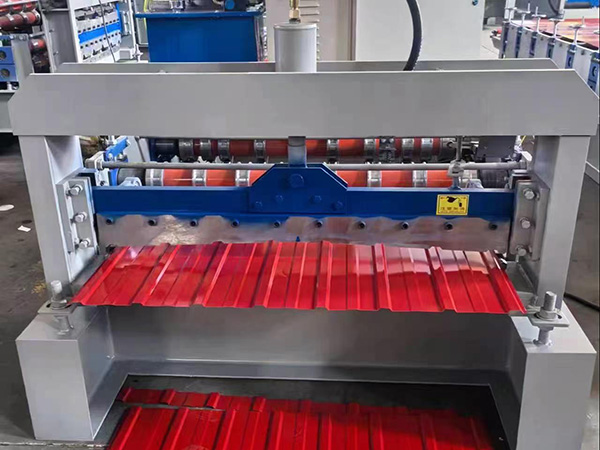
Metal roofing and wall cladding represent the largest volume roll forming applications in construction. Corrugated panels, ribbed profiles, and architectural metal panels protect buildings while providing aesthetic options that complement diverse architectural styles. Standing seam roofing systems deliver premium weatherproofing performance for commercial and residential applications.
Roofing profiles range from simple trapezoidal corrugations for agricultural buildings to sophisticated multi-rib configurations with factory-formed sidelap details. Material options include galvanized steel, aluminum, and copper, with protective coatings providing decades of weather resistance. Quick-installed concealed fastener systems reduce labor costs while eliminating penetrations that might leak.
Structural Steel Sections
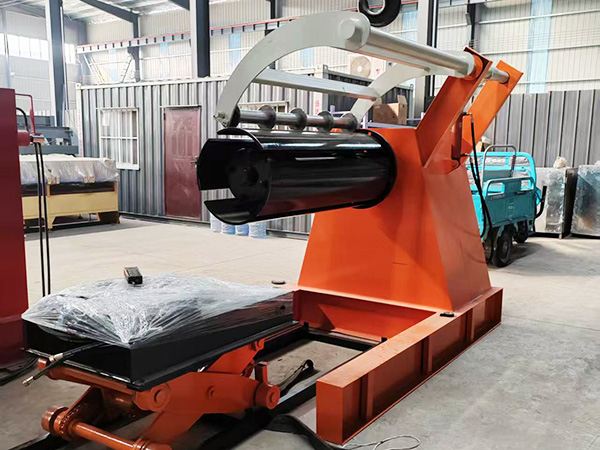
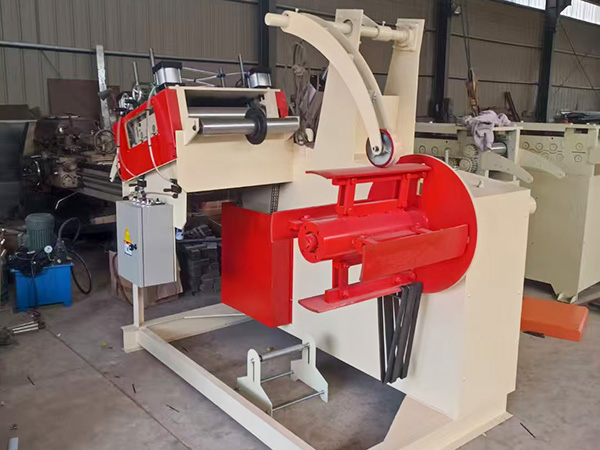
Key Structural Applications
C and Z Sections: Purlins and girts in pre-engineered metal buildings; wall framing components; roof support structures; mezzanine floor joists; crane runway beams for light industrial applications
Closed Sections: Square and rectangular tubing for window frames; door frames; curtain wall supports; column covers; architectural features requiring hollow profiles
Sigma and Hat Sections: Bridge deck forms; composite floor systems; roof deck; standing seam roof substrates; long-span structural members
Architectural and Decorative Elements
Beyond functional structural components, roll forming produces architectural elements that enhance building appearance. Interior ceiling grids, light fixtures, and decorative trim pieces utilize roll formed shapes. Curtain wall systems incorporate roll formed mullions, transoms, and cover caps that define building aesthetics.
Fascia and coping profiles protect building edges while creating clean visual terminations. Soffit panels provide ventilation and conceal structural elements. These architectural applications often require tight tolerances, smooth surfaces, and consistent color coordination with other building elements.
Prefab and Modular Construction
Prefabricated construction methods increasingly utilize roll formed steel components for their consistency, strength, and dimensional accuracy. Panelized wall systems incorporate roll formed studs, tracks, and sheathing rails that assemble into complete wall panels at manufacturing facilities. Modular construction extends this approach to volumetric units completed with mechanical, electrical, and finishing systems.
Steel frame construction using roll formed sections offers advantages including dimensional precision that facilitates assembly, material consistency ensuring structural reliability, and rapid erection reducing construction schedules. These benefits drive adoption across residential, commercial, and industrial construction sectors.
Infrastructure Applications
Beyond building construction, roll formed products serve infrastructure applications including highway safety barriers, bridge components, and utility structures. Guardrail panels, signage supports, and cable management systems utilize roll forming technology. These safety-critical applications demand rigorous quality control and compliance with specific engineering standards.
Solar mounting structures represent growing infrastructure applications for roll forming technology. Photovoltaic panel racking, mounting rails, and ground screw systems employ roll formed components that provide strength and corrosion resistance while enabling rapid installation. Energy infrastructure investments drive continued demand for these specialized roll formed products.
References
Metal Building Manufacturers Association Design Standards
American Iron and Steel Institute Construction Design Manuals
International Building Code Steel Construction Provisions
Roofing Industry Association Technical Guidelines
Prefab Construction Industry Research Publications

CONTACTS
TEL:+8615830824095
URL:www.qiluomachinery.com
ADD:Botou City, Cangzhou City, Hebei Province