


- WEBSITE -





Current location: Home > BLOGS > Technical Documentation >
Advantages of Upgrading and Modernizing Your Roll Forming Line
Time:2026-10-06 10:43:41 Author:xiangyi Click:101
Advantages of Upgrading and Modernizing Your Roll Forming Line
The Case for Modernization
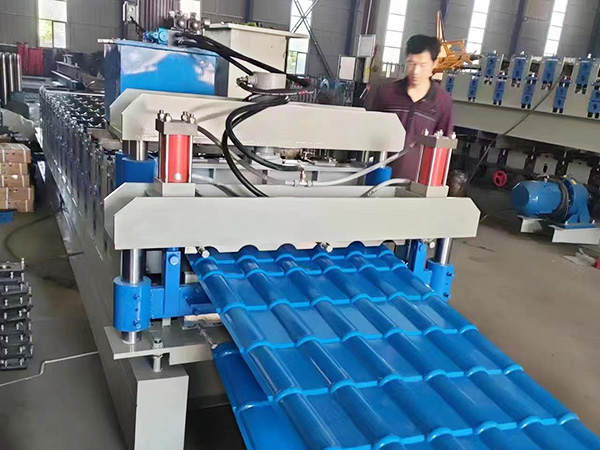
A roll forming line that is mechanically sound but electronically dated is one of the best investment opportunities in a metalworking factory. The rolls and frame which represent the largest share of the machine cost are still good. What is dated is the control system the drive and the safety features. These can all be updated for a fraction of the cost of a new line. The factory that recognizes this gap between capability and condition makes a decision that pays for itself within a year or two.
Speed and Output Improvements
A modern variable frequency drive holds line speed steady under load and accelerates smoothly eliminating the jerk that causes scrap at start-up and shutdown. A new PLC with profile recipes eliminates the manual adjustments that slow changeover. The combination of smoother running and faster changeover routinely increases effective output by 15 to 30 percent without any change to the rolls or the frame.

Accuracy and Quality Gains
Where Modernization Improves Quality
Cut length accuracy: A servo flying shear controller holds length tolerance within plus or minus 1 mm across the full speed range where a mechanical shear drifts with wear.
Profile repeatability: PLC recipe storage locks the roll settings for each profile so the next run starts from verified numbers rather than operator memory.
Fault diagnostics: A modern control system displays the fault and the sensor or switch that triggered it cutting diagnostic time from hours to minutes.
Energy Efficiency
Old AC motors run at full speed and full power regardless of the line load. A modern VFD drives the motor at the speed the line actually needs cutting energy consumption by 20 to 35 percent in typical duty. The drive also soft-starts the motor eliminating the inrush current that stresses the supply and the motor windings. Energy savings alone often recover the upgrade cost within three years on a busy line.
Labor and Operator Benefits
Operators on a modernized line spend less time wrestling with manual settings and more time monitoring quality. Recipe-based changeover means the right settings are already stored not guessed at. Fault diagnostics mean the line gets back online faster after a stop. These improvements are not just financial. They make the job easier and less frustrating which helps retain good operators in a market where skilled floor workers are increasingly hard to find.
Safety and Compliance
Modernized safety features light curtains emergency stops guarded pinch points protect the team and bring the line to current standards. Insurance premiums reflect safety compliance and inspectors now expect the same features on a ten-year-old line as on a new one. Retrofitting safety during the upgrade spreads the cost and checks both boxes at once.
When to Choose Upgrade Over Replacement
Upgrade when the frame and rolls are sound the profile is not obsolete and the factory needs the production capacity it already has. Replace when the machine is worn beyond mechanical repair the profile has no market or the factory needs a capability the current line cannot have such as a wider format or a much heavier thickness. A supplier who recommends upgrade when it fits and replacement when it does not is the right partner for this decision.
References
Roll Forming Technology and Equipment Design Manual
ASM Handbook Volume 14B: Sheet Metal Forming
Industrial Machine Safety and Operating Standards
Metal Material Standards and Grade Selection Guide
Roll Forming Line Configuration Engineering Handbook
Maintenance Practices for Long-Term Reliability
Regular maintenance on roll forming equipment keeps the line running at its rated speed and extends the service life of every major component. The daily routine should include checking hydraulic oil level and temperature, inspecting roll surfaces for wear or embedded debris, verifying the cutoff blade edge, and confirming that all safety interlocks are functional. These checks take 10 to 15 minutes per shift and catch the problems that become production-stopping failures if left unchecked. A factory that makes maintenance a habit rather than a chore sees the difference in uptime within the first month.
Common Mistakes and How to Avoid Them
The most common mistakes in roll forming operations come from skipping the basics: running material outside the rated thickness range, skipping the leveler on products that need it, over-tightening rolls on pre-painted material, and failing to record roll settings between runs. Each of these mistakes has a clear cause and a clear fix. The factory that builds a written checklist for every production run and trains operators to follow it without exception eliminates most of the scrap and downtime that comes from avoidable errors. A good supplier provides that checklist as part of the commissioning process; the factory that writes its own is better served because it reflects the actual operating conditions.

CONTACTS
TEL:+8615830824095
URL:www.qiluomachinery.com
ADD:Botou City, Cangzhou City, Hebei Province