


- WEBSITE -





Current location: Home > BLOGS > Technical Documentation >
Roll Forming Machine Working Environment Requirements
Time:2026-09-24 07:17:06 Author:xiangyi Click:131
Roll Forming Machine Working Environment Requirements
A roll forming line performs best in a clean, dry, and stable workshop. The environment affects not only the machine but also the steel coil and the finished profile. Condensation rusts coated strip overnight; dust scores the rolls; uneven floors twist the line. Setting the right working environment is a low-cost way to protect a significant investment and keep output consistent day after day, and it is the first thing a good supplier will ask about before delivery.
Temperature and Humidity
Steel and electronics both dislike rapid temperature swings. A workshop kept between 5 and 40 degrees Celsius with moderate humidity prevents condensation on the coil and keeps the hydraulic oil at a stable viscosity. In humid climates, a dehumidifier near the coil store stops the morning moisture that later appears as rust spots on the roof panel and forces a costly repaint or reject.
Cold starts are hard on hydraulics. Below about 10 degrees the oil thickens and the pump strains. If the workshop is unheated, let the hydraulic unit idle and warm up before full-speed production. A simple rule; no load until the oil feels warm to the touch; avoids many premature pump failures that look like electrical faults to the untrained eye.
Dust and Cleanliness
Keeping the Line Clean
Roll surface: Fine dust from cutting and grinding settles on rolls and scratches the strip, especially coated material. Wipe rolls at start-up and keep the area vacuumed so fines do not recirculate onto the next coil.
Electrical cabinet: Dust inside the cabinet conducts moisture and causes intermittent faults. Keep the cabinet closed, the filters clean, and the cooling fan working so heat does not shorten component life.
Coil storage: Store coils off the floor on spacers and under cover. Ground contact and standing water are the fastest routes to edge rust that no machine can fix once the coil is loaded.
Ventilation and Lighting
Cutting and punching throw off fine metal dust and, with some coatings, fumes. Local exhaust at the cutoff and punch keeps the air clear and meets basic workplace expectations. Good lighting along the line lets operators spot a wave, a scratch, or a misaligned strip before it becomes meters of scrap that must be reworked or written off.
Floor and Space
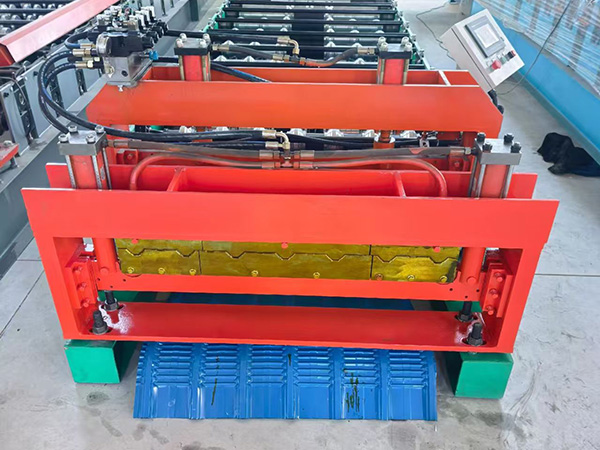
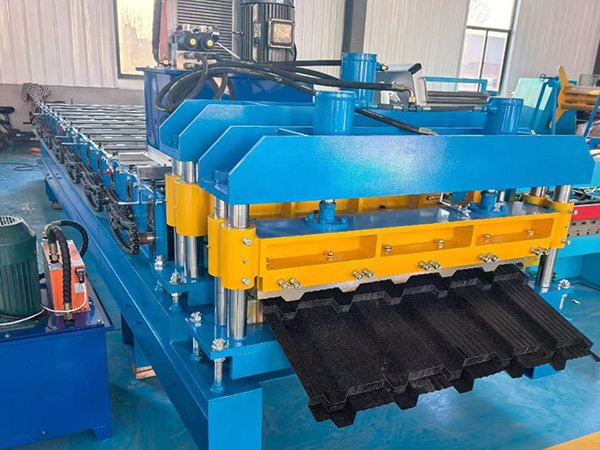
The machine needs a level, reinforced floor as described in the installation guide, plus clear space around it for coil loading, maintenance, and finished-panel handling. Crowded lines force shortcuts; operators step over coils and bump the frame, and small impacts accumulate into misalignment that no amount of roll adjustment will fully correct later.
Seasonal Considerations
Environment changes with the season. Summer humidity raises rust risk and calls for stronger dehumidification; winter cold lengthens warm-up time and stiffens seals. Monsoon or rainy seasons demand tighter coil covers. A workshop that adjusts its routine by season keeps quality steady where shops that ignore the calendar see mysterious quality dips every few months.
Power and Water Protection
Stable power protects the drive and controls. Where supply is poor, a voltage stabilizer or line reactor prevents the brownouts that corrupt PLC memory. Keep the electrical cabinet away from washing or cooling water; even a slow drip upstairs can reach the cabinet and cause a shutdown that takes days to trace and a fortune in lost orders.
When the working environment is right; dry, clean, level, and well-lit; the roll forming machine rewards the owner with steady speed, fewer faults, and a longer life. These conditions cost little to maintain and protect every part of the production, from the raw coil to the stacked finished profile that leaves the gate.
Environmental Checklist
A short daily walk-through catches most environment problems: oil level on the decoiler, dust on the rolls, water near the cabinet, and coil stored clean and dry. Thirty seconds per station prevents the slow build-up of faults that later look like machine failure but were really housekeeping. Good environment discipline is the cheapest maintenance a line will ever get, and it costs nothing but attention.
References
Workshop Environmental Control for Metalworking
Industrial Hydraulic Oil Storage and Temperature Guide
Electrical Cabinet Ingress Protection Standards
Coil Storage and Corrosion Prevention Manual
Workplace Ventilation for Cutting and Forming

CONTACTS
TEL:+8615830824095
URL:www.qiluomachinery.com
ADD:Botou City, Cangzhou City, Hebei Province